Asad Raza
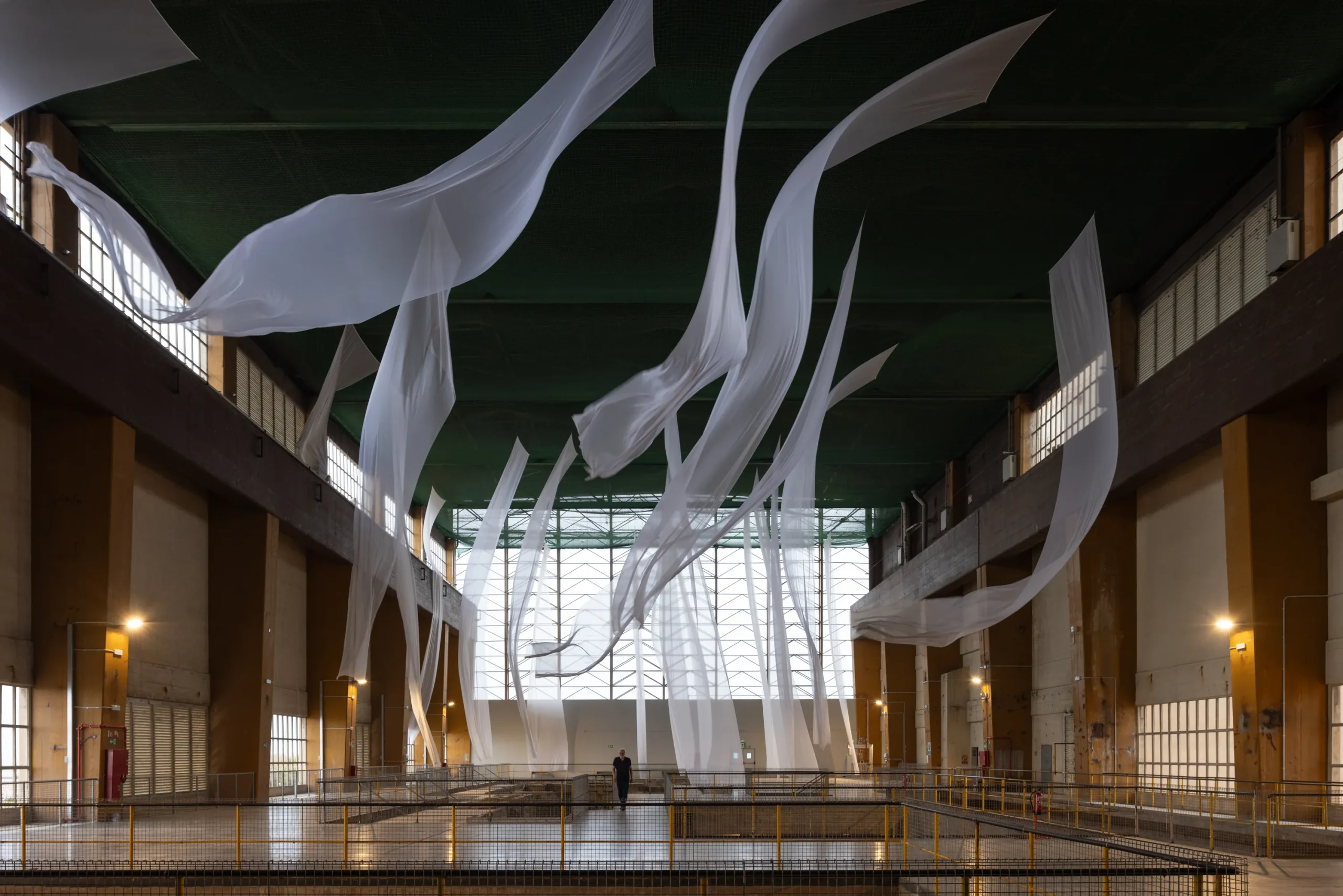
Asad Raza is an American multidisciplinary artist, born in 1974 in Buffalo, New York, to parents of Pakistani origin. His practice challenges traditional boundaries of art, blending installation, ecology, human interaction, and metabolic processes into experiential environments. His works are not meant to be simply observed: they are to be experienced, inhabited, discussed, and often transformed in collaboration with the audience.
After studying literature at Johns Hopkins University and film directing at NYU’s Tisch School of the Arts, Raza initially (...) Read More
Asad Raza is an American multidisciplinary artist, born in 1974 in Buffalo, New York, to parents of Pakistani origin. His practice challenges traditional boundaries of art, blending installation, ecology, human interaction, and metabolic processes into experiential environments. His works are not meant to be simply observed: they are to be experienced, inhabited, discussed, and often transformed in collaboration with the audience.
After studying literature at Johns Hopkins University and film directing at NYU’s Tisch School of the Arts, Raza initially worked as a writer, contributing to The New Yorker on tennis articles. This interest in play, structure, and relational energy is clearly reflected in many of his most famous works. In Untitled (plot for dialogue) (2017), for example, he transformed a deconsecrated church in Milan into a functioning tennis court, where rackets, tea, conversations, and the smell of cut grass blended into a multisensory, collective experience. The work is not just a game but an invitation to co-presence, encounter, and shared practice.
One of his best-known projects is Root sequence. Mother tongue, presented at the Whitney Biennial 2017: an “inner forest” of 26 trees housed within the museum, each accompanied by a human “caretaker” interacting with the public, blurring the boundaries between nature, culture, and identity. In Absorption (2019, Sydney; 2020, Berlin), Raza led a group of agronomists and citizens in producing a new type of soil by mixing natural earth with urban waste and organic materials, generating a living, regenerative cycle that evolved over the course of the installation.
Raza has exhibited at leading international institutions—from the Whitney Museum in New York to the Gropius Bau in Berlin, from the Serpentine Gallery in London to the Lahore Biennale—and continues to be an innovative voice in contemporary art, rejecting the art object as a fetish and instead promoting art as a living process in dialogue with time, context, and people. His work does not aim to provide answers but to generate new forms of presence, care, and collaboration.
Read Less