Pongo®
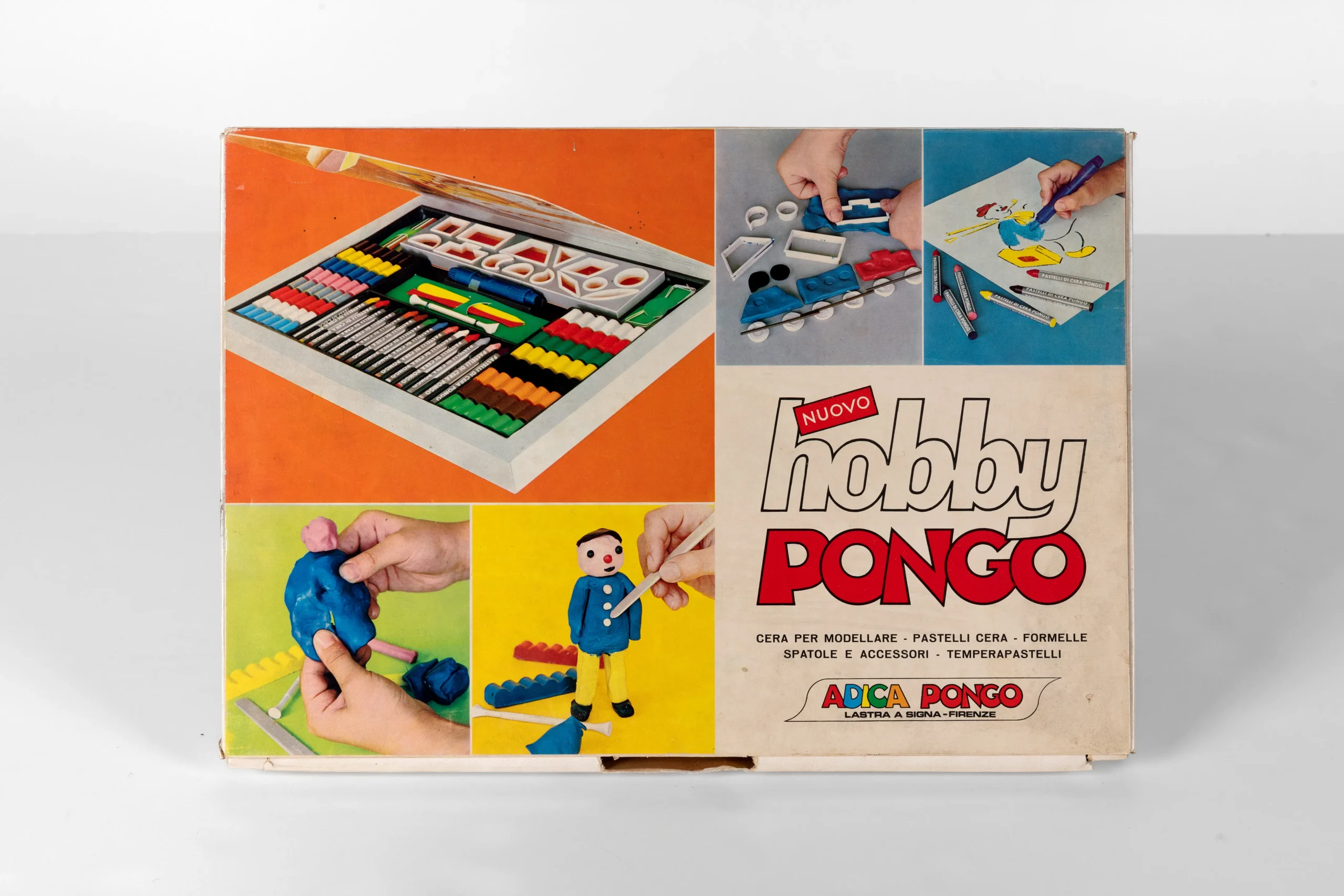
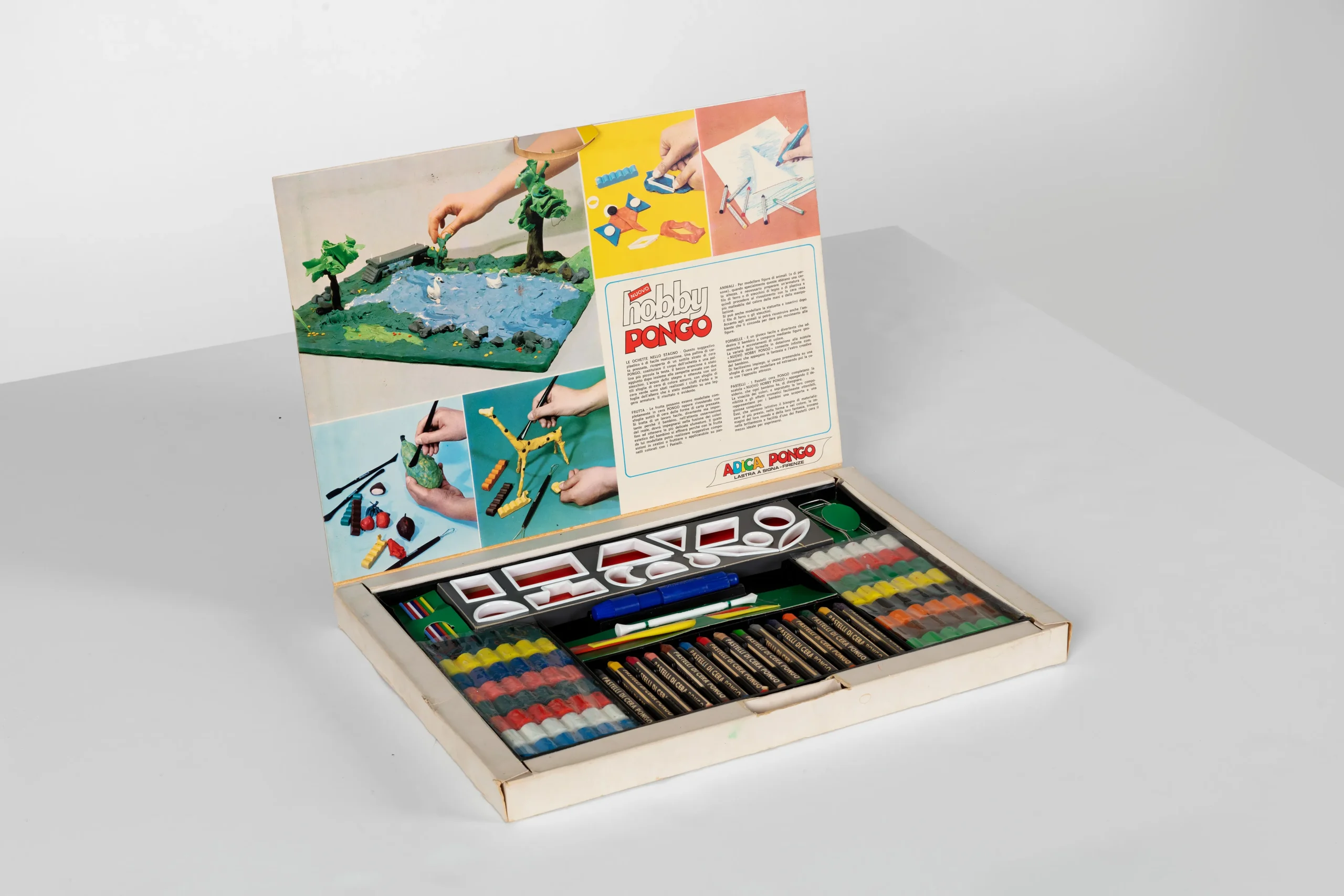
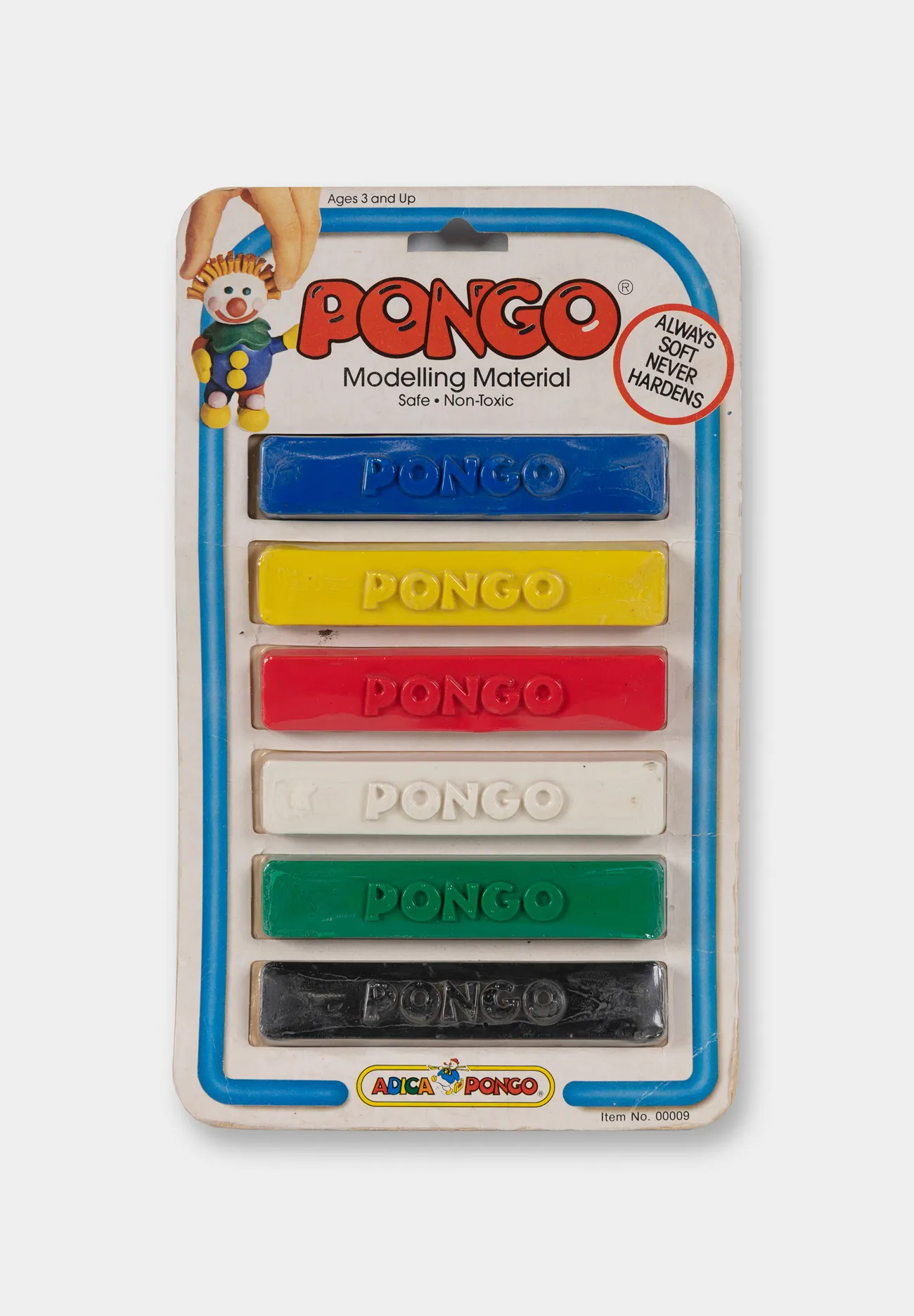
It seems that Pongo® modelling clay was born by mistake. The laborers at Sidol, in Lastra a Signa (Florence) wished to manufacturer a shoe polish. Yet, the chemist in charge of preparing the mixture made a mistake in dosing the various components. The firm ended up with about 500 kg of neutral wax, inappropriate for shoe shining, without knowing how to use it. Yet, this substance had special features: it warmed up easily when in contact with the hands, (...) Read More
It seems that Pongo® modelling clay was born by mistake. The laborers at Sidol, in Lastra a Signa (Florence) wished to manufacturer a shoe polish. Yet, the chemist in charge of preparing the mixture made a mistake in dosing the various components. The firm ended up with about 500 kg of neutral wax, inappropriate for shoe shining, without knowing how to use it. Yet, this substance had special features: it warmed up easily when in contact with the hands, becoming extremely malleable. Moreover, it was not dirty or greasy, and did not stain. Although it had a neutral color, it became, by adding pigments, a colorful, bright clay that was perfect to play with. Its instant malleability allowed users to easily model it, without waiting for it to harden or baking it to fix it in place. It was 1952, and Pongo® plasticine was born. It soon spread to early year schools, becoming a precious tool to stimulate the children’s creativity and manual skills.
Pongo® introduced a new way to play and also took on a prominent role in the world of advertisement. In the 1970s, it was used to create the first-ever ads made with clay characters: a technique known today as claymation. A particularly popular one was the Fernet Branca ad, created by the agency Armando Testa, which made history in the field.
In 1994, the brand Adica-Pongo entered the F.I.L.A. family, additionally strengthening its presence in the arts and crafts market.
Read Less